
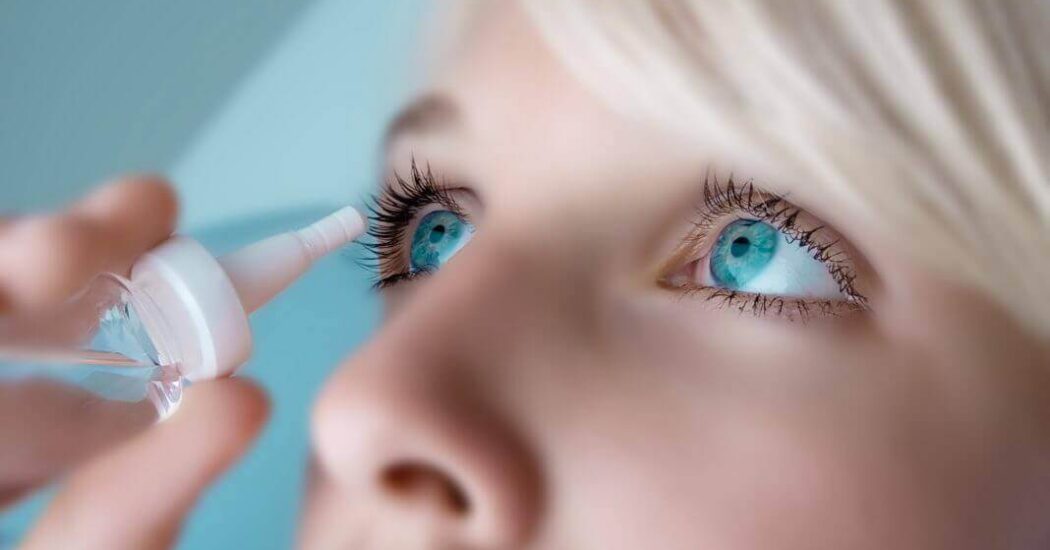
Eye drops are real medicines, just like tablets and injections. This means they must be used with the same care as other, better known medicines. Missed doses, stopping treatment or not using eye drops as prescribed can worsen your vision.
Eye drops are used to treat many eye conditions, including glaucoma or increased eye pressure, conjunctivitis, eye inflammation and dry eyes. But ophthalmologists also prescribe them after laser treatment, to prevent infection or reduce inflammation.
Regardless of why you have been prescribed eye drops, you should always use them exactly as your ophthalmologist prescribed. And although eye drops are prescribed most often, the same of course applies to eye gels and eye ointments.
By combining the treatment with other regular tasks (e.g. brushing your teeth) or setting an alarm on your phone, it is easy to remember when to use your drops.
If you find it difficult to use the eye drops as prescribed, do read on. This information about eye drops may help you. You can follow these tips to get the most benefit from eye drops and minimise side effects.


Top 5 tips for using eye drops:
-
- Never apply eye drops while wearing contact lenses
It may seem obvious, but many people forget to remove their contact lenses before applying their eye drops. Contact lenses can disrupt the distribution of the drops, reducing their effectiveness. After applying the drops, also wait at least 20 minutes before putting your contact lenses back in, otherwise residues of the eye drops can stick to the lens. - Apply one drop at a time and wait a few minutes before applying the next drop
Applying drops in quick succession wastes medication, because the first drop is pushed out of the eye without having had the chance to work. The eye can only hold less than half a drop at any one time, and the rest overflows onto the areas around the eye. If the label says two drops should be applied, do not apply both drops at the same time. Apply one drop, wait at least 2 minutes and then apply the next drop. - Do not blink hard after applying the eye drop
Close your eye gently or blink normally, otherwise you will push the drop out of your eye. - Try to keep the drop in your eye to minimise side effects
Apply pressure to the lower tear ducts (next to the bridge of the nose) to reduce the amount of eye drop entering the bloodstream; this minimises the chance of any side effects of the eye drop affecting the rest of the body. Also make sure you wipe away excess fluid with a tissue to reduce possible irritation of the surrounding skin. - Do not let the tip of the eye drop bottle touch your eye
If this happens, it increases the risk of an eye infection because bacteria from the eye can contaminate the eye drop solution.
- Never apply eye drops while wearing contact lenses
If you have trouble putting the drops in, ask a family member or housemate for help.