
At the Nationaal Oogcentrum, one of the most frequently asked questions is whether it is possible to drive after laser eye surgery. It is important to know that you cannot drive immediately after the treatment. So use public transport or a taxi, or get a lift home with someone.
To help you prepare well, we have put together this blog. In it you can read everything you need to know about driving after an eye treatment.
Preparing well for the treatment
As soon as you have booked a date for your eye treatment, you can arrange a lift to drop you off at our clinic in Naarden. After the procedure we do not recommend going back on your own. Even if you prefer to use public transport on the way back, we recommend having someone with you to accompany you.
Ideally it is best if someone can pick you up. We offer plenty of free parking, so the person accompanying you to our clinic will have no problems parking.
When can you drive again
After you have had the vision correction, you are not yet allowed to drive. The very next day after the treatment we schedule an appointment for a follow-up check with the ophthalmologist. In the case of TransPRK treatment, this follow-up check is 4 to 5 days after the treatment. So ask someone to drop you off again, or take a taxi. During this follow-up check, the ophthalmologist assesses your progress and lets you know whether you can already drive or whether a little more time is needed to recover.
As soon as the ophthalmologist has determined that your eyes have recovered sufficiently to drive again, you can get back behind the wheel. For most people this takes a few days, but recovery differs per person and can take up to a week.
When you are allowed to drive again
After the ophthalmologist has indicated that you can drive again, there are still a few things to consider after the treatment.
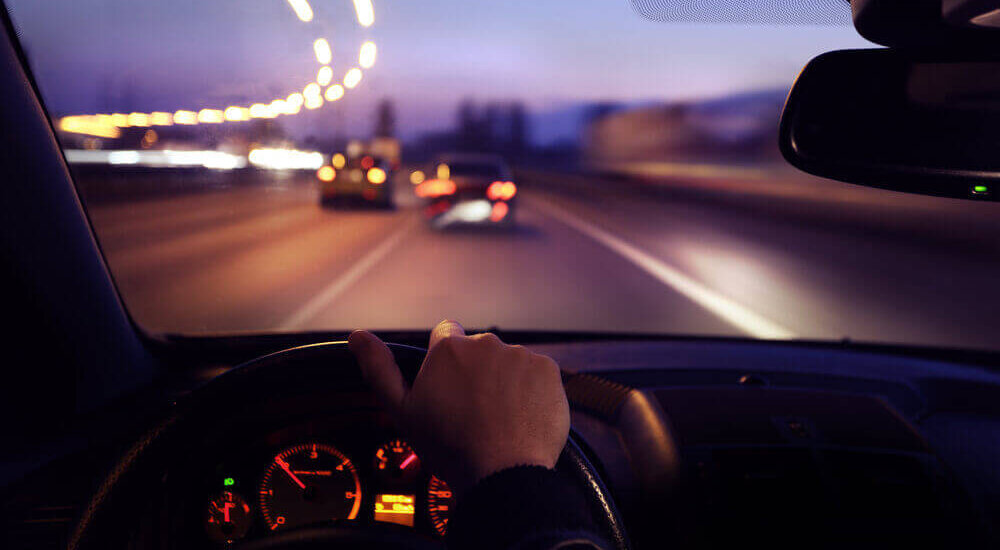
Some patients experience glare, especially from bright lights, in the weeks after the operation. This can cause some minor problems when driving in the dark, if you experience glare from oncoming headlights. We therefore recommend that you first assess as a passenger whether you are comfortable enough to drive yourself.
Glare problems usually improve considerably within the first few weeks after the treatment and continue to improve during the first three months.


What else can you do after vision correction?
If you are wondering what else you can and cannot do after laser treatment, take a look at this blog post, which describes some important things to consider after your treatment, such as showering, exercising and returning to work.
If you have any further questions, book a free consultation to see which treatment suits you best.