For more than 30 years, laser techniques have been used all over the world to correct refractive errors such as nearsightedness (myopia), farsightedness (hyperopia) and astigmatism. During this time, thousands of clinical studies have shown that laser eye surgery is one of the safest options available today.
However, all medical and surgical procedures carry a certain degree of risk, so it is extremely important to choose an experienced ophthalmologist and a clinic equipped with the latest technology to reduce the chance of complications.
The risk of complications and side effects is low
Most complications and side effects of laser eye surgery are temporary and usually disappear by themselves or with follow-up treatment. Possible problems to look out for include:
- Over or undercorrection of your refractive error: this means that the focusing power of your eye after the operation is slightly outside the target range. It is uncommon and can almost always be corrected with an enhancement treatment to further refine the shape of your cornea. The percentage of enhancement treatments worldwide is about 1%. The Nationaal Oogcentrum offers a lifetime guarantee on CLEAR, Intralase and TransPRK treatments, in the unlikely event that such an extra treatment is needed.
- Loss of visual acuity: this is when your vision fluctuates and may not be as clear as it was directly after the treatment. It occurs in about 1 to 2% of people, while their vision stabilises after the operation. It normally disappears within 6 months of the treatment.
- Dry eyes: this is a common side effect that can last up to several weeks or months after the operation. But it is usually not an ongoing problem. If it persists, there are usually other underlying problems.
- Problem with the flap: this can happen when the corneal flap created during IntraLASIK shifts before it has been able to heal. You can help prevent this by following the aftercare instructions and not rubbing your eyes, swimming or returning to sports too soon.
Can I go blind as a result of laser treatment?
For some patients considering laser eye surgery, their biggest fear is blindness as a result of the procedure. Blindness is always listed as a possible side effect of any eye operation, but it can only result from serious complications in the eye (for example a severe infection).
The reason laser eye surgery is considered extremely safe is that it is a very superficial and precisely controlled procedure. This means the laser only comes into contact with the surface of your eye. In the unlikely event that an infection or damage occurs, the chance of your inner eye being affected is extremely low.
You may also find it reassuring to know that our ophthalmologists are highly qualified and among the best in the world.


Laser eye surgery is considered safe for eligible patients
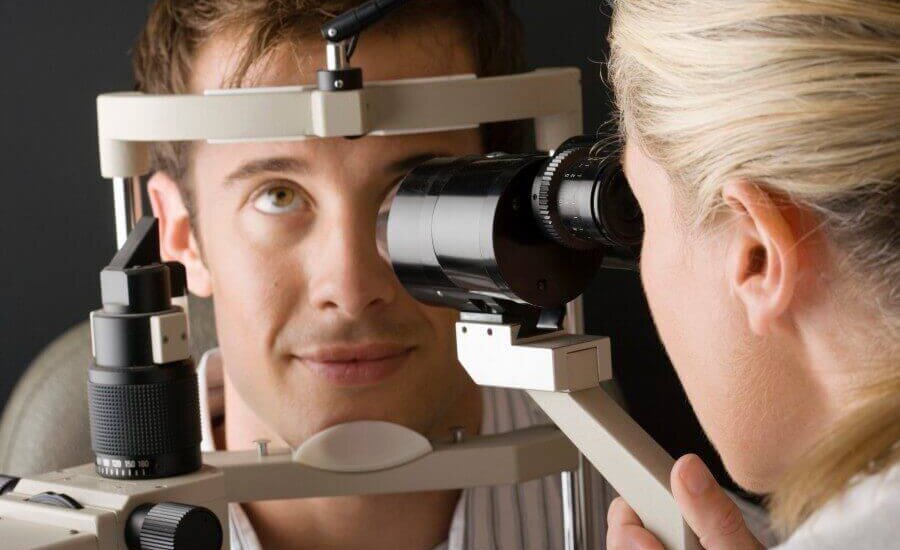
During your eye assessment we go through your full medical history, examine your eyes thoroughly and discuss your specific visual goals and any uncertainties. This appointment takes about 1.5 hours and you have the opportunity to ask as many questions as you like.
If you meet the criteria, we will examine which treatment is most suitable for you:
- LASEK: in a first phase, a flap of the cornea (epithelium) is loosened using an alcohol solution and rolled up. The cornea is then reshaped with the excimer laser, the Schwind Amaris 750 S.
- TransPRK: also known as ‘no touch’ PRK. In this treatment the top layer of your cornea is removed with the Schwind Amaris excimer laser (instead of manual removal). The laser is then used to reshape the underlying corneal tissue.
- INTRALASE: this is a further development of LASIK laser treatment. During Intralase Femtosecond treatment, the surgeon creates a flap in the middle of the top layer of the cornea. This flap is folded back, but remains attached to the cornea on one side. In the place where the flap was, a laser corrects the vision. With Intralase Femtosecond, this laser removes a minuscule amount of tissue under the flap.
- CLEAR Corneal Lenticule Extraction for Advanced Refractive Correction (CLEAR) is the newest refractive surgery for correcting nearsightedness and astigmatism with the Femto LDV Z8 femtosecond laser.
Many of our patients are treated with Intralase, as this is the most frequently performed procedure. In general this is because Intralase has a shorter recovery time, not because one procedure is ‘better’ than the other. All treatments deliver excellent results and have comparable safety profiles.
In some situations, however, one procedure may be recommended over another based on factors such as your lifestyle, visual goals, general eye health and the thickness and symmetry of your corneas.
Choose a reputable clinic with the latest technology
Our clinic has a state of the art operating room, equipped with the Ziemer Femto LDV Z8 femtosecond laser and the Schwind Amaris 750 S excimer laser. This excimer laser is currently the fastest excimer laser available on the market. This advanced technology translates into excellent visual results and improved safety for our patients.
Laser eye surgery is not ‘one size fits all’
There is no standard solution for correcting refractive errors, so laser eye surgery may not be the most suitable treatment for everyone. Sometimes the eye assessment reveals that we cannot recommend the treatment at all. This decision is tailored to the individual circumstances, suitability and needs of each patient.