There are countless eye conditions and just as many treatments and medicines. Medicines for the eyes therefore cannot simply be listed in one overview. Eye drops are a crucial method of administration in the treatment and prevention of various eye diseases. That is why you can read more here about eye drops and the use of eye drops.
What are eye drops for?
Eye drops are a method of administration: a commonly used way of actually getting medicines for your eyes into your eyes. The contents of the drops differ per situation. Eye drops may contain antibiotics, corticosteroids and muscle relaxants, among other things. The exact contents depend on the condition for which they have been prescribed. In most cases, eye drops are a medicine prescribed by a doctor.
Where do I buy eye drops?
Eye drops with a specific medicinal effect are obtained from a pharmacy, in principle only with a prescription. Eye drops that do not contain a prescription medicine (such as some allergy remedies) are available without a prescription at chemists. In addition, various types of eye drops are available online.
How long can I keep eye drops?
Like most medicines, eye drops have an expiry date. Until this date, the medicine is guaranteed to work properly. How long you can keep the eye drops depends first of all on the product in question. Not every type of eye drop keeps equally long. The bottle states until which date the eye drops can be used. In doubt about the effect or shelf life of eye drops? Then consult the doctor who prescribed the product.
How do I use eye drops?
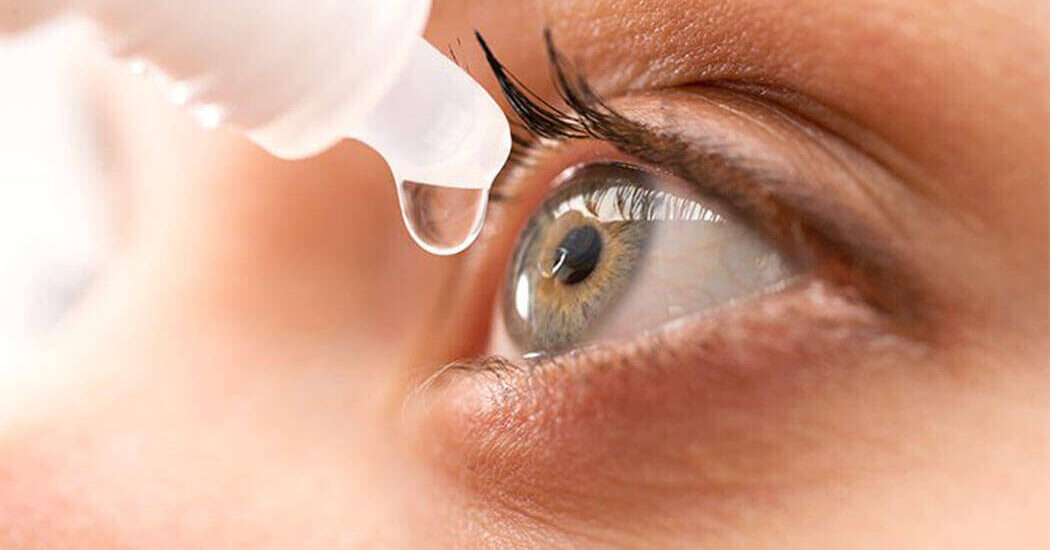
Eye drops are (obviously) dropped into the eye. The required amount differs per type of eye drop. Bear in mind that eye drops contain active substances that can be harmful in excessive amounts. So always try to stick strictly to the prescribed or recommended dosage. You apply eye drops by looking up and pushing your eyelids aside with your thumb and index finger. With the other hand you put the drops in your eye.
Reimbursement for eye drops
When eye drops are part of a medically necessary treatment, they are in principle reimbursed from the Dutch basic health insurance. This usually applies to eye drops prescribed on prescription. This also means the compulsory excess applies, so you may still incur costs. Eye drops available without a prescription, for example for allergies, are in principle not reimbursed. Some insurers reimburse such eye drops (partly) through a supplementary package.